4 Day Nature & Wildlife Costa Rica
Visit the Osa Peninsula to see nature and wildlife that is famed for its immense biodiversity. Osa Peninsula, such a small area, contains 5% of all the world's species. You can also help protect and conserve the natural wonders located on the Peninsula.<br><br> Hike the Frog Trail at twilight chasing frogs, birds, butterflies and much more. Navigate through the largest mangrove forest of Costa Rica in search of birds, monkeys, iguanas and other exotic animals. Spy on whales and dolphins in your way to explore Caño Island's shoreline and snorkel in its underground gardens with colorful fish. Boat to the Corcovado National Park and hike the trails of the San Pedrillo Ranger Station to the waterfall brimming with wildlife.
Features
- Boat tour to Corcovado National Park – San Pedrillo Ranger Station
- Boat snorkeling tour to Caño Island
- Motorboat tour in Sierpe water canals and mangrove forest
- Night Hike in the Frog Trail
Highlights
- 3-night standard accommodations
- Meals: 3 breakfasts, 2 lunches per person
- Local bilingual guides
- Entrance fees per itinerary
- Boat transportation to attractions per itinerary
Attractions
Attractions
Corcovado National Park
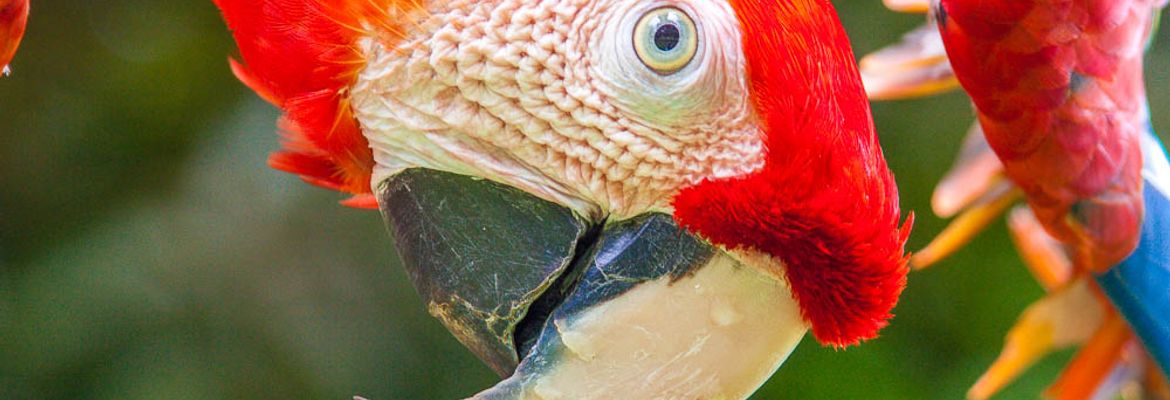
The sheer amount of wildlife inhabiting the park is astounding. Scarlet macaws and toucans fly lazily overhead, while poison dart frogs hop underfoot – all the while, monkeys nonchalantly bask in trees, tapirs graze in nearby swamps, and crocodiles perch in wait of their next meal.
This environmental marvel has a tumultuous history. Great quantities of gold were discovered in Corcovado in the 1930's, leading to a gold rush that was detrimental to local wildlife. The area was doubly endangered due to the logging industry and its resulting deforestation. Thankfully, then President Daniel Oduber declared the area a protected zone in 1975. While this immensely improved conditions, illegal activities were not truly quashed until the 1980's – when the government completely banned the practice of gold panning in Corcovado. Citizens began to realize that tourism’s long-term economic gains would be more sustainable than the timber and precious metals industries.
The majority of the lowland tropical rainforest that comprises Corcovado National Park is original, or primary, forest – the type of habitat that many endangered species, like squirrel monkeys and jaguars, require. Baird’s tapir, white-lipped peccaries and four kinds of wildcats are also dependent upon these undisturbed lands for their survival.
Hiking or camping at Corcovado requires careful planning and an adventurous spirit – as well as a desire for– or at least not an aversion to–closely observing a variety of insects and serpents, including venomous snakes. Day and camping passes can normally be obtained without prior reservations, but advanced notice is required in order to lodge at Sirena.
All of Corcovado's ranger stations are extremely isolated, and some more difficult to reach than others. No roads connect the park to the rest of the country; instead, Corcovado is best accessed by air, boat, horseback, or on foot (a hike that can take up to fifteen hours). Trails range from one and two-hour day hikes to lengthy overnight trips.
Activites:
Bird and Wildlife Watching: At least 367 species of birds, 140 mammals, 107 reptiles and amphibians, and 40 freshwater fish inhabit the zone. This list includes four types of venomous snake, all four species of monkey found in Costa Rica, and about 40 jaguars – a critically endangered cat. The park boasts significant populations of rare and endangered species like the Baird’s tapir, white-lipped peccaries, and at least four species of wildcat. It is home to the largest numbers of scarlet macaws and great curassows in Central America, and is one of only two areas in Costa Rica where squirrel monkeys prosper. Additionally, four species of sea turtle (Olive Ridley, leatherback, hawksbill and green sea turtle) nest on its shores.
Birding in Corcovado is an especially rich experience. Species such as the turquoise cotinga, white-crested coquette, red-throated caracara, slaty-tailed trogon and the harpy eagle all call the area their home. Other species include the king vulture, white hawk, short-billed pigeon, tovi parakeet and bronze-tailed sicklebill.
Over 300 types of trees can be found in Corcovado – this represents about one-third of the total tree species in the entire country. Some of the larger trees include the purple heart, cow tree, espave and crabwood.
Camping: Reservations are required to camp, especially at the park’s Sirena station, which has dorm-style lodging and a small restaurant ($8 dorm bed + $10 park entrance fee + optional board). Camping options at San Pedrillo, La Leona, and Los Patos ranger stations are rustic ($4 + $10 park entrance fee); potable water, cold showers, and toilets are available to campers at all four stations. Camping is not permitted at Los Planes. Visitors are allowed four consecutive nights in the park, although extensions can be granted under certain circumstances – it never hurts to ask the park ranger. Contact: 2735-5036 for more camping information.
Canoeing: Canoes can be rented for $20 per day at the Sirena ranger station. Availability is scarce.
Hiking: Corcovado’s main attractions are its beautiful hiking trails – the deeper into the park, the greater the chance of observing wildlife. While terrain is generally flat around the beach areas, inland areas can get quite hilly. Narrow ridges and steep ravines characterize the rugged uplands, which ascend from isolated shores and estuaries.Heavy rains from April to December can making visiting the park – let alone hiking it – difficult to impossible. The rainiest months are September, October, and November.
Snorkeling and Scuba Diving: Visitors can snorkel and scuba dive off of many of Corcovado’s beaches, but it is not recommended. Strong currents and marine predators, like sharks and crocodiles, inhabit the park’s waters and estuaries. Sirena station is particularly dangerous. Visitors must not swim here, and great care should be taken at river crossings. Bull sharks are abnormally aggressive in this area, and currents are especially strong.
Facilities:
There are four main ranger stations within Corcovado National Park: Sirena. San Pedrillo, La Leona and Los Patos. The park’s headquarters are located at Sirena, which is equipped with an airstrip, research station, and dormitory lodging. Facilities include potable water and latrines. Tents and sheets are not provided. Ranger Stations are open year round, although some trails may be closed during the rainy season (April 15-December 15). Note: The Sirena Ranger Station is closed every October.
Recommendations:
The dry months of January through April are the best times to visit. Be prepared for rain year-round; bring several changes of socks, quick-dry clothing, comfortable and durable walking shoes, sunscreen, insect repellent, a hat and sunglasses. Refillable water bottles and snacks that will not melt are also recommended.
Make reservations with plenty of advance notice.
Hire a guide! A world of wildlife can be revealed by a knowledgeable pathfinder. They also ensure safety when navigating from one ranger station to another.
There are no facilities along the trails, particularly the long ones – if someone becomes sick or injured, getting out safely can be a challenge.
Check the tides. Crossing rivers at high tide is dangerous. Crocodiles, bull sharks and strong currents are very real hazards. Time crossings carefully and consult park officials for schedules.
Bring plenty of water – Corcovado is hot and humid.
Purchase food and other necessary supplies ahead of time in Puerto Jimenez or Drake.
Getting There:
Arrival to Corcovado National Park can be accomplished on foot, on horseback, by boat, or by plane. All stations can be hiked to with enough energy, planning and patience. Los Patos can be reached on horseback. Take the bus from Puerto Jimenez the town of La Palma, and from here grab a taxi to Guadalupe. Horses can be rented in order to complete the trek to Los Patos. Boats can be hired from Drake Bay to San Pedrillo and Sirena stations.
Bus: From Puerto Jimenez, a bus stops just outside the town of Carate. It is a 40-minute walk from here to La Leona station.
Plane: Chartered flights leave from Golfito, Drake Bay, Puerto Jimenez, and San Jose to the airstrip at the Sirena station.
Terraba Sierpe Wetlands
The eight species of mangrove found here are some of the tallest in the world – red, black, grey, and tea mangroves being the most common varieties. These fascinating plants – and their tangled roots – have evolved to survive despite high salinity levels, and the low oxygen content of the mud in which they grow. The impressive mangroves provide a valuable coastal ecosystem to an abundance of avian, mammalian, reptilian and aquatic animals.
Birding enthusiasts come from all over the globe to experience the area’s phenomenal birdwatching opportunities. Both resident and migratory birds visit these swamps, which also boast two endemic hummingbird species: the mangrove hummingbird and the yellow-billed cotinga.
Activities:
Bird and Wildlife Watching: Birdwatching in the Terraba Sierpe Wetlands is fabulous year-round. Herons (boat-billed, green-backed, tiger-throated, great blue and little blue), egrets, pelicans, osprey, roseate spoonbills, black-necked stilts, and mangrove black hawks are just a few commonly spotted species.
Underwater, a variety of freshwater fish and mollusks reside. Many types of reptile including crocodiles, caimans, boa constrictors, iguanas and lizards also call these swamps their home. A few types of mammals inhabit the area – mainly howler and white-faced monkeys, northern and crab-eating raccoons, silky and collared anteaters, and white-tailed deer.
Hiking: Hiking excursions to an 800-foot waterfall can be arranged in Sierpe. Half or full-day guided tours are unforgettable opportunities to see poison dart frogs, monkeys, crocodiles and a multitude of birds.
Mangrove Tours: Motorized boat outings run up and down the Terraba and Sierpe Rivers in search of wildlife. Guided kayak excursions are also an option – these silent paddleboats are less likely to startle animals along the riverbanks. Glide up to the estuary where the Sierpe River meets the open ocean for unbeatable birding and surfing.
Facilities:
There are no public facilities or trails in the Terraba Sierpe wetlands.
Getting There:
Boats and kayaks can be rented from Sierpe for full or half-day excursions. Tours are also available from Drake Bay, which is half an hour away.
Tours
Tours
Corcovado National Park - San Pedrillo Ranger Station Boat Tour
Boat down along the Osa Peninsula's northwest coast up to San Pedrillo Beach. Step out of the boat in the warm waters of San Pedrillo Beach and trek the 30-minute hike Pargo River trail alongside the beach up to the mouth of Pargo River while encountering monkeys, wild birds, lizards white face monkeys high on the top tree branches snacking on seeds.
Loop back onto the beach for a 20 minute-walk to the San Pedrillo Ranger Station taking advantage of the up-close photo opportunities of the wild birds your guide points out also taking in the stunning beauty of the beach.
Relax in the hammocks at San Pedrillo Ranger Station while your guide prepares you a picnic lunch of self-served sandwiches, fresh fruit and canned juice. Then, it is time to take a trail marked by a sign reading "Cascada/Waterfall" to - you guessed it - a scenic view of the waterfall.
Hike along the San Pedrillo River up the stream for 45 minutes spotting spider monkeys or even sleeping owls or wombats and many wild birds. The quiet San Pedrillo River gathers itself into a small rock chute, charging the water full of energy before it spills into itself below forming a small pool down the river where you will find yourself living the moment and refueling before heading back to your hotel.
Cano Island Snorkeling Boat Excursion
Come on board and glide along the Sierpe River to the Pacific Ocean with relaxing sky and forest reflections. From the coastal waters to the vast strides of the open ocean, your guide and the captain will use their eagle eyes to help you spot dolphins, turtles and whales (Jul.-Nov.) until you arrive to the shores of Cano Island.
Your guides will leave the boat to arrange for your admittance to the island while you gear up with fins and snorkel. The captain will find your designated site and anchor the boat. Plunge into the waters and start your first 30-45 minute snorkeling experience on the rock outcrops of the island – snorkeling sites vary depending on tides, weather conditions and currents, you will be visiting the sites with the best visibility.
Hop into the boat and get ready to explore the Caño Island Beach shores where you will spend about 20 minutes, please note that to keep the pristine state of the island smoking and eating are not allowed on the island.
Put your feet ashore and walk along the magnificent beach stretch looking at how the forest bends to touch the ocean and follow the trail up the mountain to a view point that offers you panoramic views of the Pacific Ocean – if you have the stamina continue to see the mysterious stone spheres located further inside the forest and guess how they were made. This trail may be open or closed at the Park Ranger’s discretion.
Boat to the farthest end of the island, the captain will drop anchor and you can enter into the water to explore another snorkeling site, which is usually deeper. Here you will search for sharks, turtles, and other tropical fish life.
Sail away from Caño Island, north to Violin Island, south to San Josecito Beach, or to any swimmable beach in between them for a picnic lunch. The captain will select the destination based on the weather conditions. Guides will unload from the boat the ingredients to prepare a buffet lunch while you play in the waves, stroll on the beach, seek for wildlife or simply relax. Lunch is usually self-serve sandwiches, fresh fruit and rice.
Glide back through the stunning mangrove forest to enjoy the natural late afternoon show as birds and animals look for food on the edge of the riverbanks and tree branches. Your guide will help you spot wildlife in the trees or anywhere else they are hiding from view as the boat traverses through the river.
Sierpe River Mangrove Forest Boat Tour
As you continue across the river, look up under the bridge when you reach the Azul Canal there might be a group of nocturnal long nose bats snoozing during the day.
The canal reaches a lagoon, where packs of howler, capuchin and squirrel monkeys are sometimes spotted high in the branches of the Inga and Ficus trees that enclose it, here the boat loops around and takes the same path back across the canal to return to the Sierpe River.
Sip the cold beverage that the tour guide provides on the way back while you sit back and soak up the beauty and value of the Mangrove forest and all its treasures.
Frog Tour
As the sun begins to set, you will cross the Sierpe River by boat and make your way up a dirt road for about 30 minutes to arrive at the trailhead.
It won’t take more than a few steps onto the trail before your tour guide is able to spot one of the 45 species of frogs that are native to Sierpe and the Osa Peninsula. Try your hand at “frogtography” and snap some up-close shots of the emerald glass frog, with its almost translucent green skin, or the bright red granular backed poison frog.
It will become dark as you venture deeper into the trail and walk along a creek, where you might spot birds holding still as they sleep perched on tree branches. Make sure to watch your step, you would hate to sink into a puddle of mud or a coral snake to sink its teeth into you.
Eventually, after about three miles of up and down terrain, the trail loops around back to the starting point and you will make your way back down the dirt road and back to civilization.
Dominical Surf and Dive Snorkel trips to Cano Island
Dominical Surf and Dive offers daily snorkeling and diving trips to Cano Island. The all-day tour picks up from the dive shop in Dominical and transports guests to and from Cano Island for snorkeling adventures around the shallow waters off the coast of Cano Island.
Dolphin and whale watching
Dolphins break the surface tension of the ocean mirror to coast alongside the boat and play in its wakes. In the distance, male humpback whales make romantic displays to their prospective girlfriends breaching the surface and sticking their tails out of the water to dive deep while mothers with their calves rocket seawater into the air from their blowholes as they come up for air.
And that's before you even get to Cano Island. While it's not a sure thing that you'll see whales and dolphins, it's very common especially during July to November and December to March when humpbacks visit their birthing grounds around Ballena National Marine Park. If you happen to cross paths with any of these aquatic mammals en route to the island, the boat will divert course to watch them.
Snorkeling Cano Island
The hour boat ride out to the island is something of a tease. The enormity of the ocean impressed upon you with no way to tell what's on the other side. The only clues left to the whales and dolphins that emerge from the aethers to disappear just as suddenly. With curiosity peaked, you strap on goggles, snorkel and life vest then jump into the water.
Staring down through the clear blue glass water feels voyeuristic, like smashing your face up against an aquarium window. Minnows and yellow/black striped sergeant major fish swim right up to your mask. Beneath you, fish straddle and wriggle colorful rock and coral outcroppings. Dazzlingly colorful parrot fish parole the bottom while butterfly fish swim beneath the shade of the rocks. Every once in a while you may catch the shimmering flash from of a large blue jack speeding past.
You'll explore two different areas varying in depth from just a few feet to 15 or 20 with a break to enjoy the Cano Island beach in-between excursions. Ordinarily, larger sea life like manta rays, sharks and sea turtles, hide in the depths accessible only to divers, but the tropical fish and the chance to see an array of marine life in the clear, waters are spectacular on their own.
Last updated: Jun 4, 2024